
ptfe fine powder, produced and supplied by Quzhou Qfreon Chemical Co.,Ltd (Qfreon), is a highly valued material in the medical device industry due to its unique properties. These include exceptional chemical resistance, biocompatibility, thermal stability, low friction, and electrical insulation. Qfreon PTFE fine powder finds application in catheters, guidewires, implants, seals, vascular grafts, and surgical mesh, among others. The company ensures that its PTFE fine powder meets strict regulatory standards such as ISO 10993 and USP Class VI, and offers full traceability, batch consistency, and cleanroom manufacturing. While PTFE fine powder offers many advantages—like proven clinical safety, customizability, and robust technical support—there are some limitations, including specialized processing requirements and relatively high costs. Through ongoing R&D, environmental stewardship, and a commitment to regulatory compliance, Qfreon positions its PTFE fine powder as a reliable, high-quality option for advancing safety and innovation in medical devices.
Polytetrafluoroethylene (PTFE) fine powder has long stood out as one of the most versatile and chemically resistant materials in modern industries. As technology and healthcare needs rapidly evolve, there is growing attention around the suitability of PTFE fine powder, particularly as a raw material in medical device manufacturing. This article, provided by Quzhou Qfreon Chemical Co.,Ltd (hereafter referred to as Qfreon), explores the intricacies of PTFE fine powder’s compatibility, safety, and performance in medical device applications.
Understanding PTFE Fine Powder
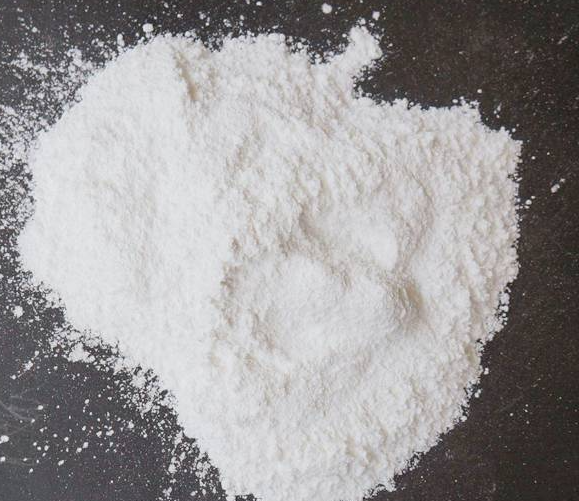
PTFE fine powder is a specialized form of PTFE, known for its exceptional chemical resistance, low coefficient of friction, and electrical insulation properties. Produced via emulsion polymerization, this fine powder is engineered for advanced applications, including extrusion, paste-extrusion, and molding. Qfreon’s expertise in producing PTFE fine powder ensures a consistent molecular structure, purity, and particle size distribution—critical parameters for demanding sectors like healthcare.
Key Properties of PTFE Fine Powder
- Chemical Inertness: PTFE resists almost all chemicals, making it ideal for medical devices that may encounter diverse fluids or reagents.
- Biocompatibility: High-grade PTFE is non-toxic and non-reactive to bodily tissues and fluids.
- Thermal Stability: PTFE maintains its performance across a wide temperature range, crucial for sterilization and in-body use.
- Low Friction and Non-Stick Surface: These characteristics reduce biofilm adhesion and enable smoother device operation.
- Electrical Insulation: Useful for medical electronics and sensor protection.
- Mechanical Flexibility: Fine powder PTFE can be processed into thin, flexible forms suitable for catheters and surgical components.
PTFE Fine Powder Applications in Medical Devices
Qfreon’s PTFE fine powder is widely utilized in a variety of medical devices, thanks to its unique set of properties. Below are some illustrative applications:
- Catheters: The low friction surface facilitates easy insertion and movement within the body.
- Guidewires: PTFE coatings on guidewires reduce trauma to blood vessels and improve navigation in minimally invasive procedures.
- Implants: PTFE’s biocompatibility allows its use in long-term implants and reconstructive surgeries.
- Seals and Gaskets: Ensures chemical and fluid isolation within medical equipment.
- Vascular Grafts: PTFE tubes are used as artificial blood vessels, owing to their hemocompatibility and durability.
- Surgical Mesh: Used in hernia repair and tissue reconstruction.
Manufacturing Considerations for Medical Devices
When integrating PTFE fine powder into medical device manufacturing, Qfreon prioritizes:
FEP Master batch
Refrigerant gas R410A
MAPP GAS Welding gas
Ethylene-Tetrafluoroethylene ETFE Resin
Refrigerant gas R134A
- Purity: All Qfreon PTFE fine powder batches undergo stringent quality checks to ensure no contaminants or leachables compromise the final product.
- Particle Size Control: Uniform particle size is critical for consistent extrusion and forming processes, affecting final device performance.
- Process Compatibility: Qfreon’s PTFE fine powder is engineered for compatibility with common medical device manufacturing techniques, including ram extrusion, paste extrusion, and molding.
- Sterilization Resistance: PTFE’s thermal stability allows devices to withstand autoclaving, gamma irradiation, and chemical sterilization without degradation.
Biocompatibility and Safety
Regulatory Standards
Compliance with established biocompatibility standards is essential for any material used in medical devices. Qfreon’s PTFE fine powder is produced and tested according to international standards, including:
- ISO 10993: Biological evaluation of medical devices
- USP Class VI: Biological reactivity tests
- REACH and RoHS for chemical safety and environmental impact
PTFE, being chemically inert and non-toxic, generally passes these rigorous assessments. However, Qfreon conducts additional cytotoxicity, sensitization, and pyrogenicity tests as needed for specific end-use applications.
Clinical Safety Profile
PTFE has a long and well-documented history in medical applications, with numerous studies and clinical reports supporting its safety. Qfreon’s experience with the medical device industry ensures all supplied PTFE fine powder is non-carcinogenic, does not support microbial growth, and has negligible outgassing or leachable content.
Advantages of Using Qfreon PTFE Fine Powder in Medical Devices
There are several compelling reasons why medical device manufacturers, hospitals, and research institutions choose Qfreon PTFE fine powder:
- Proven Track Record: Used in millions of devices worldwide.
- Customization: Particle size, distribution, and properties tailored to client requirements.
- Regulatory Compliance: Full support and documentation to facilitate regulatory submissions.
- Supply Chain Reliability: Global logistics and local warehousing for consistent supply.
- Technical Support: Dedicated R&D team to assist customers in formulation, process optimization, and troubleshooting.
Potential Limitations and Challenges
Despite its advantages, there are important considerations when selecting PTFE fine powder for medical devices:
- Processing Complexity: PTFE fine powder requires specialized processing equipment due to its high melt viscosity and non-melting behavior.
- Cost: High-purity medical-grade PTFE can be more expensive compared to traditional plastics.
- Mechanical Strength: While PTFE is flexible, its tensile and tear strength may limit its use in high-load applications without reinforcement.
Product Quality Assurance at Qfreon
Qfreon employs a comprehensive quality management system, including:
- Batch-to-Batch Consistency: Continuous monitoring of critical parameters.
- Cleanroom Manufacturing: Minimizes contamination risks and ensures high purity.
- Full Traceability: Every batch is traceable through production records and quality certificates.
- Third-Party Testing: Independent labs conduct additional verification on biocompatibility and physical properties.
Case Studies: Successful Applications of Qfreon PTFE Fine Powder
| Device Type | Application | Performance Benefit |
|---|---|---|
| Vascular Grafts | Artificial blood vessels | Reduced thrombogenicity, long-term patency |
| Catheters | Insertion tubing | Minimized tissue trauma, easy insertion |
| Guidewires | Navigation in arteries | Smoother movement, precision control |
| Surgical Mesh | Hernia repair | Minimal tissue adhesion, biocompatibility |
Research and Development at Qfreon
Qfreon invests significantly in R&D to continuously enhance the properties of PTFE fine powder for medical use. Innovations focus on:
- Surface Modification: Improving cell compatibility and reducing foreign-body reactions.
- Composite Materials: Combining PTFE with functional fillers for enhanced mechanical performance.
- Process Optimization: Reducing waste, improving extrusion rates, and enhancing surface finish.
Environmental and Sustainability Considerations
With growing global attention on the environmental impact of plastics and fluoropolymers, Qfreon practices responsible manufacturing:
- Emissions Control: Advanced capture systems minimize process emissions.
- Waste Management: Closed-loop systems for reprocessing scrap PTFE.
- Energy Efficiency: Ongoing efforts to reduce energy consumption in production lines.
Future Trends in PTFE Fine Powder for Medical Devices
The medical device industry continues to demand higher performance and functionality from its materials. Qfreon anticipates increasing use of PTFE fine powder in smart devices, wearable sensors, and minimally invasive surgical tools. Ongoing research aims to further improve the biointegration of PTFE components and expand miniaturized device applications.
Qfreon’s Commitment to Healthcare Innovation
Qfreon is dedicated to forging strong partnerships with medical device manufacturers, clinicians, and researchers to advance the safety and efficacy of healthcare products. Continuous feedback and collaboration drive new product development and process improvements, ensuring that Qfreon PTFE fine powder remains at the forefront of medical technology.